
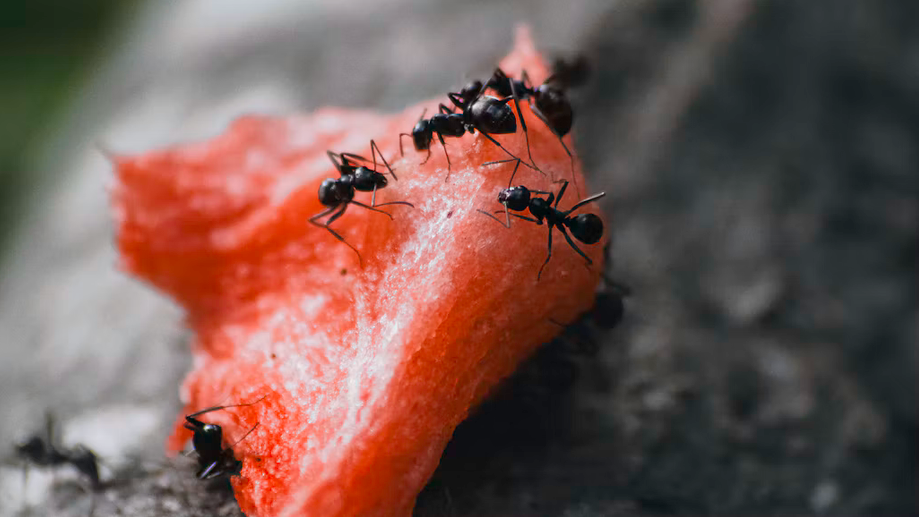
A clean home is easier to enjoy when pests are not competing for space. Ants near food containers, cockroaches under kitchen cabinets, and mosquitoes around living areas can quickly make everyday routines uncomfortable. Some pests also contaminate food, damage household materials, or trigger allergic reactions. Regular pest control helps homeowners manage these problems before they become difficult to handle. Professional Dunedin pest control services can help identify pest activity, address potential entry points, and recommend appropriate treatments for residential properties. By combining prevention, inspection, and good household habits, families can maintain a cleaner, more comfortable living environment.
Preventing Pests From Entering the Home
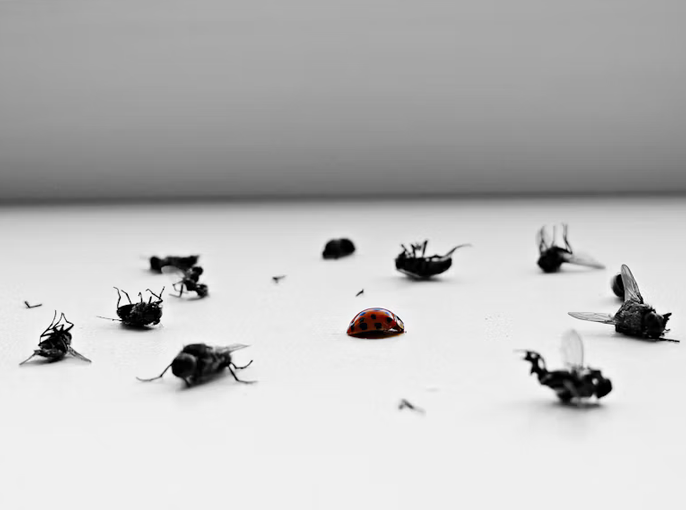
Many household pests enter through small openings around doors, windows, pipes, and damaged screens. Others come inside when searching for food, water, or shelter. Regular pest control helps identify these entry points and address conditions that attract unwanted insects and rodents. Homeowners can support these efforts by sealing cracks, repairing window screens, and checking gaps around plumbing connections. Door sweeps can help close spaces beneath exterior doors. It is also important to inspect deliveries, storage boxes, and items brought indoors, as some pests may travel inside them. Professional inspections can reveal entry points that are easy to overlook. Fixing these weaknesses early can reduce the chances of recurring infestations. Prevention is often easier and less disruptive than dealing with a widespread pest problem.
Maintaining Clean and Hygienic Living Areas
Pests can make it harder to keep household spaces hygienic. Cockroaches may spread contaminants as they move across surfaces, while rodents can leave droppings in cupboards, storage areas, and other hidden places. Ants may gather around spills and uncovered food. These problems can affect kitchens, bathrooms, and other frequently used rooms. Regular pest control works best when combined with everyday cleaning. Wipe counters after preparing meals, clean crumbs from floors, and avoid leaving dirty dishes overnight. Store food in sealed containers and empty rubbish bins regularly. Pay attention to areas behind appliances, beneath sinks, and inside pantry corners. Professional treatments can help reduce pest activity, but they do not replace proper sanitation. Removing food sources and cleaning affected areas makes the home less attractive to pests. Together, these habits support a cleaner environment and help limit the conditions that allow infestations to develop.
Protecting Household Items and Structures

Some pests threaten more than household cleanliness. Termites can damage wooden structures, furniture, and other materials containing cellulose. Rodents may chew electrical wiring, insulation, and stored belongings. Certain insects can also damage fabrics, paper products, and items kept in storage. Routine inspections can help homeowners notice early warning signs. These may include discarded insect wings, unusual holes, droppings, damaged packaging, or wood that sounds hollow. Identifying the source of a problem is important because different pests require different treatment methods. Professional pest control providers can assess the situation and recommend suitable action. Early intervention may limit further damage and reduce the need for costly repairs. Homeowners should also keep storage areas organized, avoid storing cardboard directly on damp floors, and address moisture problems promptly. These practical steps help protect household belongings over time.
Improving Everyday Comfort and Peace
A pest problem can affect how people use their homes. Mosquitoes can interrupt sleep, ants can make food preparation frustrating, and rodents moving through ceilings or walls can create unwanted noise. When pests repeatedly appear, residents may feel uneasy using certain rooms or inviting guests over. Regular pest control helps address these concerns by reducing pest activity and identifying conditions that encourage it. Depending on the pest, treatment may involve targeted products, traps, exclusion methods, or recommendations for improving the surrounding environment. Homeowners should explain where and when pests appear so that inspections can focus on the right areas. For example, recurring mosquitoes may indicate standing water nearby, while ants returning to the same counter may be following a food trail. Addressing the underlying cause can provide better long-term results than treating visible pests alone.
Choosing Safe and Effective Treatment Methods
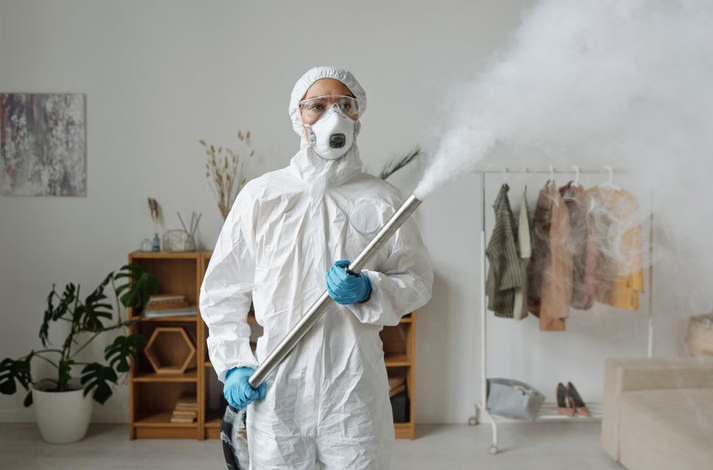
Not every pest problem requires the same approach. The right treatment depends on the pest species, the size of the infestation, the affected location, and the presence of children or pets. Using products incorrectly can create unnecessary exposure risks and may fail to resolve the problem. A qualified pest control professional can identify the pest and recommend an appropriate treatment plan. Homeowners should follow all product instructions, observe re-entry guidance, and keep pesticides away from food, utensils, children, and animals as directed. Avoid mixing chemicals or applying more product than the label permits. Integrated pest management is another useful approach. It combines monitoring, sanitation, exclusion, and carefully selected treatments rather than relying on routine chemical application alone. This method focuses on the source of the problem and helps make pest management more practical over time.
Pest control is more effective when it becomes part of regular home maintenance. The right inspection schedule depends on the property, local pest activity, climate, and previous infestations. Some homes may benefit from professional visits at set intervals, while others need attention when warning signs appear. Between inspections, check damp areas, clear standing water, maintain drains, and keep outdoor rubbish containers closed. Trim vegetation that touches exterior walls and avoid allowing clutter to accumulate in garages or storerooms. Record recurring pest sightings so patterns are easier to identify. A consistent routine helps homeowners respond before minor issues become larger problems. By combining sensible cleaning habits, structural repairs, and suitable professional support, families can maintain a home that feels fresher, safer, and more comfortable throughout the year.