
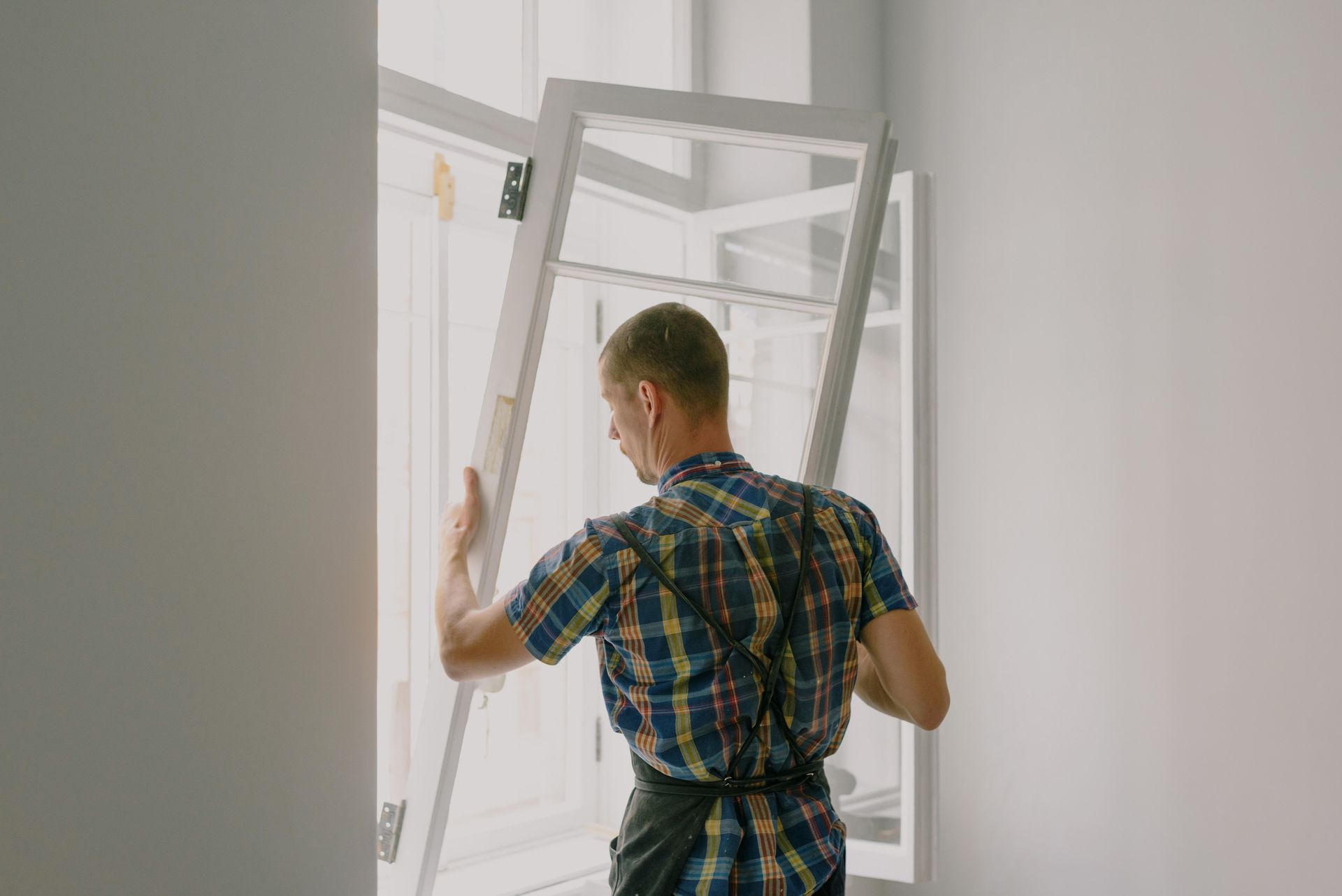
Replacing old windows can reveal problems hidden behind frames, trim, and surrounding wall materials for years. Once installers remove a window, they may discover deteriorated timber, moisture damage, damaged seals, or gaps in the original insulation. The cost of double glazed windows is therefore only one consideration when assessing a replacement project, as the condition of the surrounding structure can also influence the work required. These hidden issues often develop gradually through water infiltration, temperature changes, or weaknesses in the original installation. Understanding what lies beneath the visible surfaces helps explain why window replacement can involve more than fitting a new unit and why wall openings deserve careful attention during renovation.
Why Moisture Damage Can Develop Around Frames
Water can enter the area around a window through damaged seals, deteriorated flashing, gaps in exterior finishes, or other weaknesses in the building envelope. If moisture repeatedly reaches the surrounding materials, it may affect timber framing, sheathing, insulation, or interior finishes. Damage can remain hidden even when visible surfaces appear relatively intact. During replacement, installers may discover discolored wood, softened materials, corrosion, or signs of prolonged dampness. These findings can indicate that water has reached the wall opening over an extended period rather than from a single recent event.
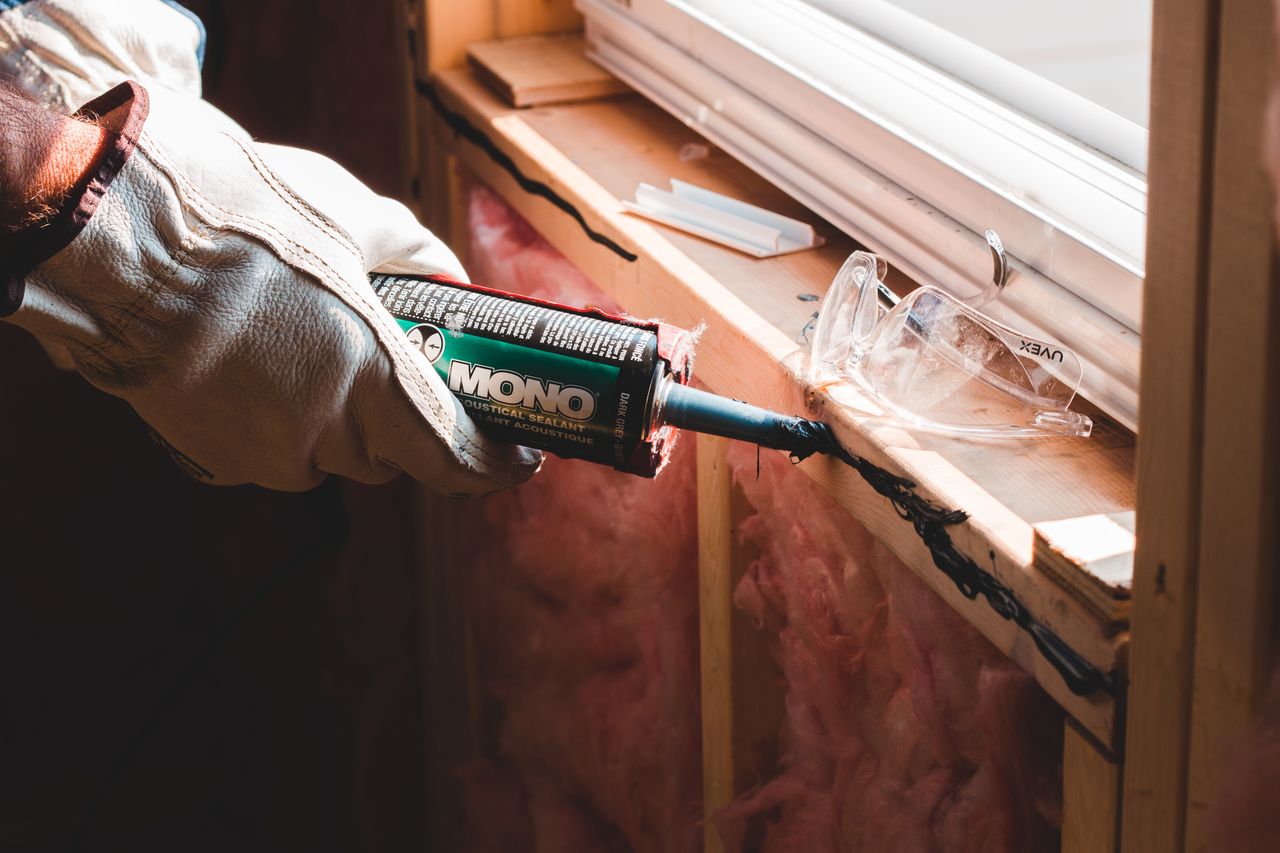
How Installation Methods Affect Wall Openings
How a window was originally installed affects how well the surrounding wall assembly manages air and water. Flashing, drainage paths, sealants, and connections between the frame and wall help control moisture movement and limit unwanted air leakage. If these details are incomplete, incorrectly arranged, or later damaged, the opening may become vulnerable to environmental exposure. Removing the existing window can reveal gaps, missing protective layers, or improvised repairs that were concealed by the finished surfaces. The condition of the opening may therefore reflect earlier installation decisions as well as the effects of aging.
Why Framing and Insulation Problems May Go Unnoticed
Wall openings interrupt a wall’s otherwise continuous structure, creating areas where framing, insulation, and finishing materials must connect carefully. Over time, settlement, building movement, or previous alterations can affect these connections. Insulation around the frame may also be missing, compressed, or unevenly installed, creating pathways for heat transfer and air movement. Such conditions do not always produce obvious visual symptoms inside the room. Once the window is removed, the exposed opening can reveal irregular framing, deteriorated support materials, or insulation gaps that were previously inaccessible.
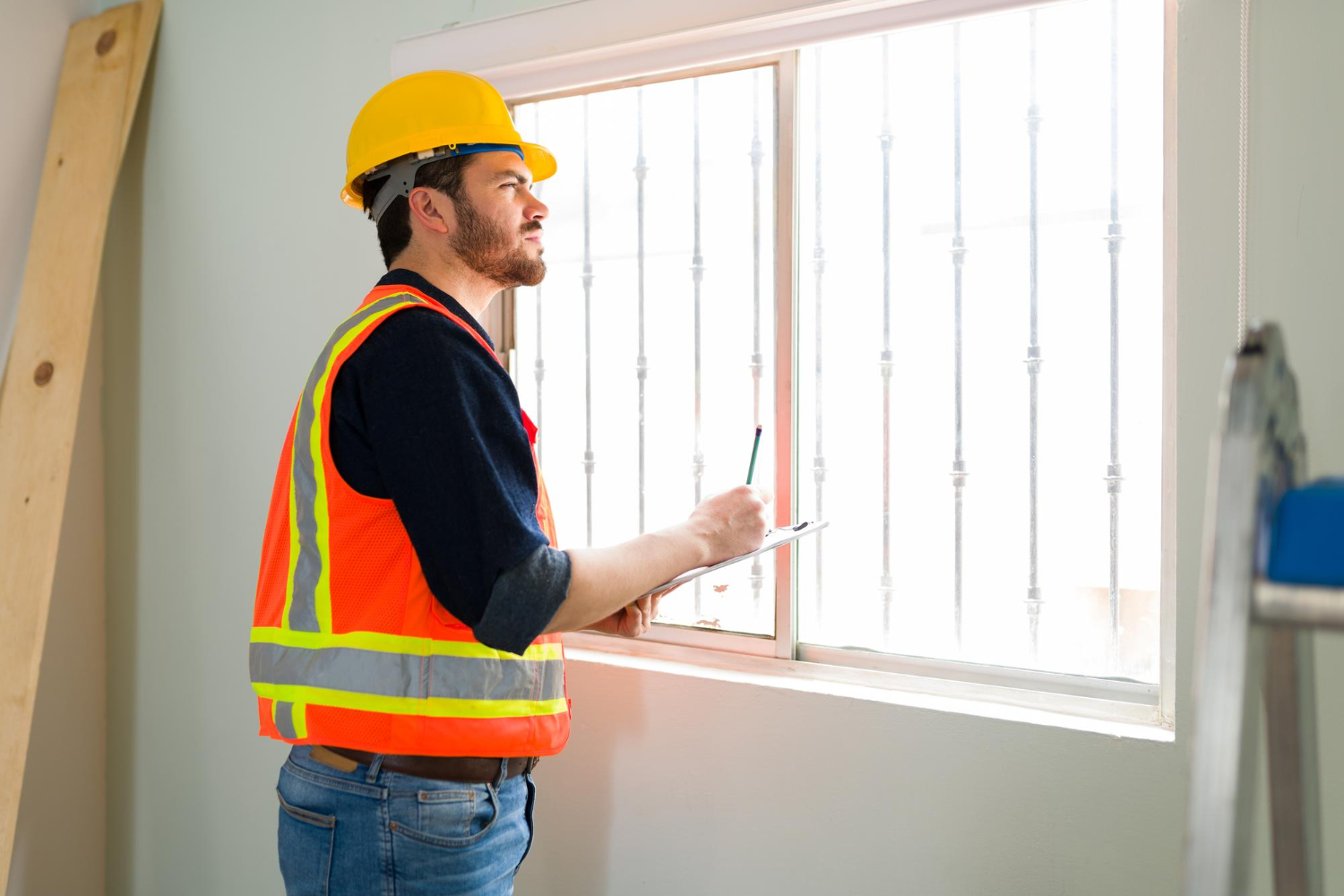
How Replacement Exposes the History of a Building
The condition of a window opening can reveal earlier repairs, renovations, and changes to the building. Multiple layers of sealant, patched framing, mismatched materials, or evidence of previous water entry may indicate that the opening has been modified over time. These findings can help explain recurring drafts, moisture marks, or difficulties with the existing window. However, not every irregularity indicates serious damage, and some conditions may reflect ordinary construction methods used when the building was first completed. Their significance depends on the materials involved and the extent of any deterioration.
Window replacement can reveal hidden problems around wall openings because removing the existing frame exposes construction details that are normally covered by finished surfaces. The process may reveal moisture damage, incomplete flashing, insulation gaps, framing deterioration, and evidence of earlier repairs. These conditions can affect more than the window’s operation, potentially affecting the wall’s ability to manage water, air, and temperature. Examining the exposed opening helps determine whether the surrounding construction remains sound and whether concealed problems need to be addressed before installing the replacement window.